What to Consider When Selecting the Right Home Theater System
Creating an immersive home theater experience is no longer a luxury reserved for high-end enthusiasts. With advancements in audio-visual technology, homeowners today have the opportunity to replicate the cinematic experience right in their living room. Selecting the right home theater system, however, is not simply about buying the most expensive components; it requires careful planning, an understanding of personal preferences, and a clear vision of how the system will integrate into your space. From sound quality to screen resolution and compatibility with streaming devices, multiple factors determine whether your investment delivers a truly cinematic experience or falls short of expectations.
The home theater market has expanded significantly over the past decade, offering a range of options from compact soundbars to full-scale surround sound systems with 4K or even 8K displays. While the variety can be overwhelming, the key to success lies in understanding your specific needs and priorities. Factors such as room size, acoustic properties, budget, and intended use play a critical role in making informed decisions. In this guide, we will explore the essential considerations for selecting a home theater system that aligns with your lifestyle, enhances entertainment experiences, and ensures long-term satisfaction with your investment.
1. Assessing Your Space and Layout
Room Size and Shape
The first step in selecting a home theater system is evaluating the room where it will be installed. A small bedroom, a spacious living room, or a dedicated media room will have different acoustic and spatial requirements. Larger rooms may need more powerful speakers and subwoofers to fill the space with clear sound, while smaller areas might benefit from compact systems to avoid overpowering the room. Additionally, irregular room shapes, high ceilings, and open floor plans can influence how sound travels and where speakers should be placed.
Seating Arrangements and Viewing Angles
Comfortable seating is essential for a true theater experience. Consider the number of viewers and their positions relative to the screen. For instance, a system designed for a family of five should ensure that every seat experiences balanced audio and optimal picture clarity. Angle and height adjustments, as well as the distance from the screen, affect both immersion and viewing comfort. Properly aligning seating with speaker placement helps prevent sound distortion and ensures everyone enjoys a consistent audio-visual experience.
Acoustic Treatment and Room Optimization
Room acoustics significantly affect sound quality. Hard surfaces like glass, tiles, and bare walls can produce echoes, while carpets, curtains, and furniture help absorb and diffuse sound. Adding acoustic panels, rugs, or bass traps can enhance clarity, reduce reverberation, and prevent audio distortion. Expert guidance may be needed for custom installations to maximize acoustic performance while maintaining aesthetic appeal.
2. Choosing the Right Audio System
Understanding Audio Formats
Audio is at the heart of any home theater. Modern systems offer a range of formats, including Dolby Atmos, DTS:X, and traditional 5.1 or 7.1 surround sound setups. Dolby Atmos, for instance, adds height channels, creating a 3D sound environment that places viewers at the center of the action. Understanding the differences between these formats allows you to select a system compatible with the types of content you enjoy, whether movies, music, or gaming.
Speaker Types and Placement
A comprehensive system typically includes front, center, surround, and subwoofer speakers. Front speakers handle most dialogue and on-screen action, while the center speaker ensures clarity in vocals. Surround speakers provide ambient effects, and subwoofers add depth with low-frequency sounds. Proper placement is critical; even high-end speakers underperform if positioned incorrectly. For example, placing rear surround speakers too far apart can create an unbalanced soundstage, while positioning them too close may result in excessive bass or echo.
Amplifiers and Receivers
Receivers act as the hub of your home theater, connecting all audio and video components. The amplifier within the receiver determines how much power is delivered to each speaker, directly affecting volume and clarity. Matching amplifier power to your speaker specifications prevents distortion and ensures optimal sound performance. Multi-zone receivers are also available for homes with multiple viewing areas, allowing independent control over different rooms.
3. Display Technology and Screen Options
Types of Screens
Choosing the right screen is as important as selecting your audio system. Options include OLED, QLED, LED, and projection screens. OLED screens offer exceptional color accuracy and deep blacks, while QLED screens provide brighter images suitable for well-lit rooms. Projectors offer large-scale viewing but require a dedicated space and control over ambient light. Understanding each technology’s strengths and limitations helps determine the best fit for your environment.
Screen Size and Resolution
Screen size should be proportional to your room’s dimensions and seating distance. A common guideline is that the ideal viewing distance is approximately 1.5 to 2.5 times the diagonal screen size. High resolution is equally important; 4K displays have become standard, offering crisp and detailed images. For those seeking ultimate clarity, 8K displays provide even higher detail, though the content availability is still limited.
HDR and Color Accuracy
High Dynamic Range (HDR) enhances contrast, brightness, and color depth, making images more lifelike. Look for displays that support multiple HDR formats, such as HDR10, HDR10+, or Dolby Vision, to ensure compatibility with diverse content sources. Color accuracy is also crucial for realism, particularly in cinematic content. Calibrated displays provide a more authentic viewing experience and prevent washed-out colors.
4. Connectivity and Smart Features
Device Compatibility
Modern home theater systems must accommodate various devices, including Blu-ray players, gaming consoles, streaming devices, and smart TVs. HDMI, optical, and USB inputs should be ample and compatible with future upgrades. Wireless connectivity options like Bluetooth and Wi-Fi enable seamless streaming from mobile devices, reducing clutter from cables.
Smart Home Integration
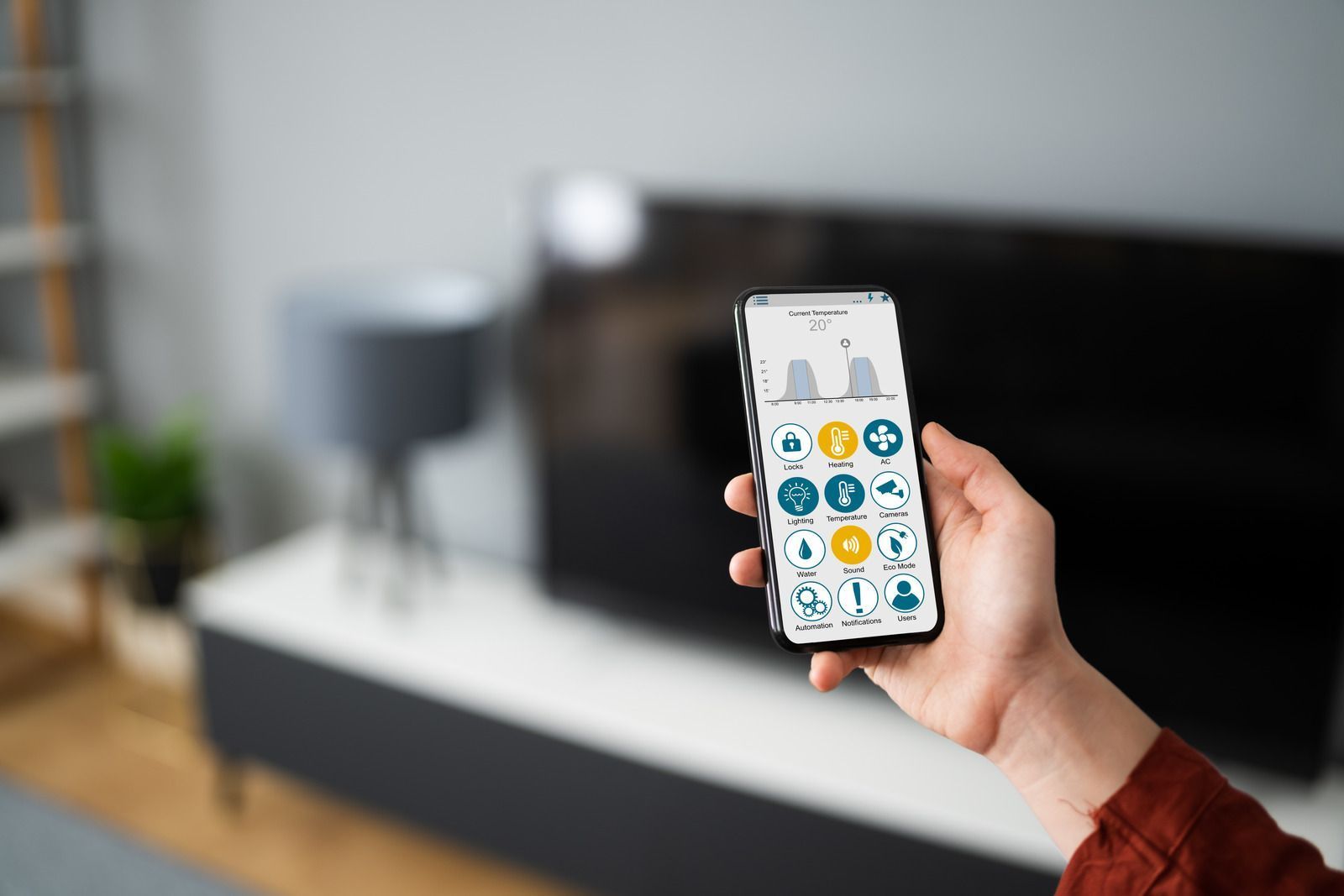
Smart home technology allows homeowners to control audio, video, lighting, and even shades through a single interface. Integration with platforms such as Amazon Alexa, Google Home, or Apple HomeKit can automate scene settings, adjust volume, and manage media playback with voice commands or smartphone apps. Such features enhance convenience and contribute to an elevated viewing experience.
Future-Proofing Your System
Technology evolves rapidly, so selecting a system with upgradable components ensures longevity. Modular receivers, expandable speaker arrays, and firmware updates help keep your system current without a complete overhaul. Considering future compatibility prevents frustration and unnecessary expenses as new formats and standards emerge.
5. Budget Considerations and Cost-Benefit Analysis
Setting a Realistic Budget
Home theater systems vary widely in price, from budget-friendly packages under $1,000 to high-end setups exceeding $10,000. Establishing a clear budget helps narrow choices without compromising essential features. Factor in costs for speakers, receivers, screens, cabling, furniture, and installation.
Evaluating Value vs. Price
Higher-priced components often offer superior sound and picture quality, but value is determined by personal needs and usage frequency. A mid-range system may suffice for casual movie watchers, while dedicated enthusiasts might justify the investment in premium speakers and displays. Researching reviews, attending demo sessions, and consulting professionals can help assess whether the features justify the cost.
Installation and Maintenance Costs
Professional installation ensures proper wiring, speaker placement, and calibration. While DIY setups can save money, mistakes in installation can diminish performance and require expensive corrections. Additionally, consider maintenance costs for updating software, replacing worn components, or troubleshooting system issues over time.
6. Personal Preferences and Usage Patterns
Content Preferences
Understanding the type of content you consume most helps tailor your system. Gamers may prioritize low-latency displays and immersive surround sound, while movie enthusiasts focus on high-quality visuals and cinematic audio. Music lovers might emphasize stereo performance and subwoofer quality.
Lifestyle and Family Needs
Consider how your system will fit into your daily life. Families with children may need durable equipment and easily controllable volume settings, while frequent entertainers might benefit from multi-zone audio setups. Flexibility and ease of use enhance overall satisfaction and usability.
Aesthetic and Design Considerations
A home theater should complement your home’s décor. Sleek, wall-mounted speakers, hidden subwoofers, and minimalist displays maintain a clean appearance without compromising performance. Custom cabinetry or integrated installations can create a seamless, professional look while optimizing acoustics.
Strategic Advice for Creating a Cinematic Experience
Selecting the right home theater system involves careful evaluation of space, audio and visual components, connectivity, budget, and personal preferences. Each factor contributes to creating a truly immersive and enjoyable entertainment experience. From understanding acoustic requirements to choosing the appropriate screen, from evaluating audio formats to planning future-proof integrations, thoughtful consideration ensures that your home theater meets both current needs and long-term expectations. By approaching the selection process methodically, homeowners can enjoy cinematic-quality sound, crystal-clear visuals, and seamless operation, transforming their living space into a hub of entertainment and relaxation.
Custom Home Installations, located in Corpus Christi, TX, brings 20
years of expertise in designing and
installing home theater systems tailored to your lifestyle. Our team specializes in creating immersive entertainment experiences, combining cutting-edge technology with professional installation. From assessing your space to selecting the right components and ensuring flawless setup, we provide personalized solutions that meet your unique requirements. Trusted for two decades, we understand the nuances of sound, visual performance, and system integration, delivering reliable, long-lasting results. Whether upgrading an existing setup or building a dedicated media room, we offer expert guidance, exceptional service, and a commitment to excellence. Partner with us to transform your home into a cinematic haven, where every movie, game, and music experience comes to life with clarity, depth, and unmatched quality.